NHS waiting lists improve, with trusts successfully cutting wait times by as much as a third in November. This progress sets a strong foundation for the new year, as the government seeks to significantly increase the number of patients beginning treatment within 18 weeks to meet NHS targets.
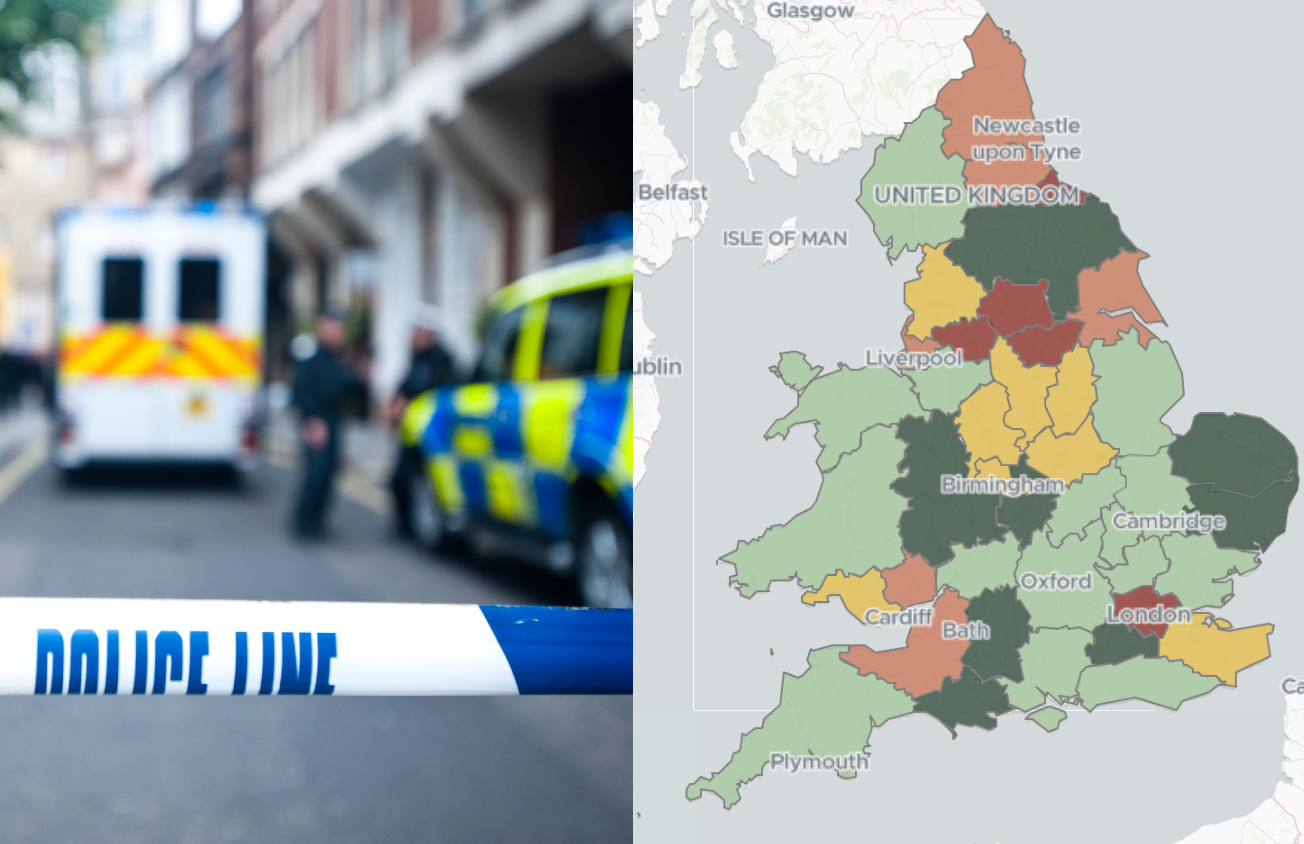
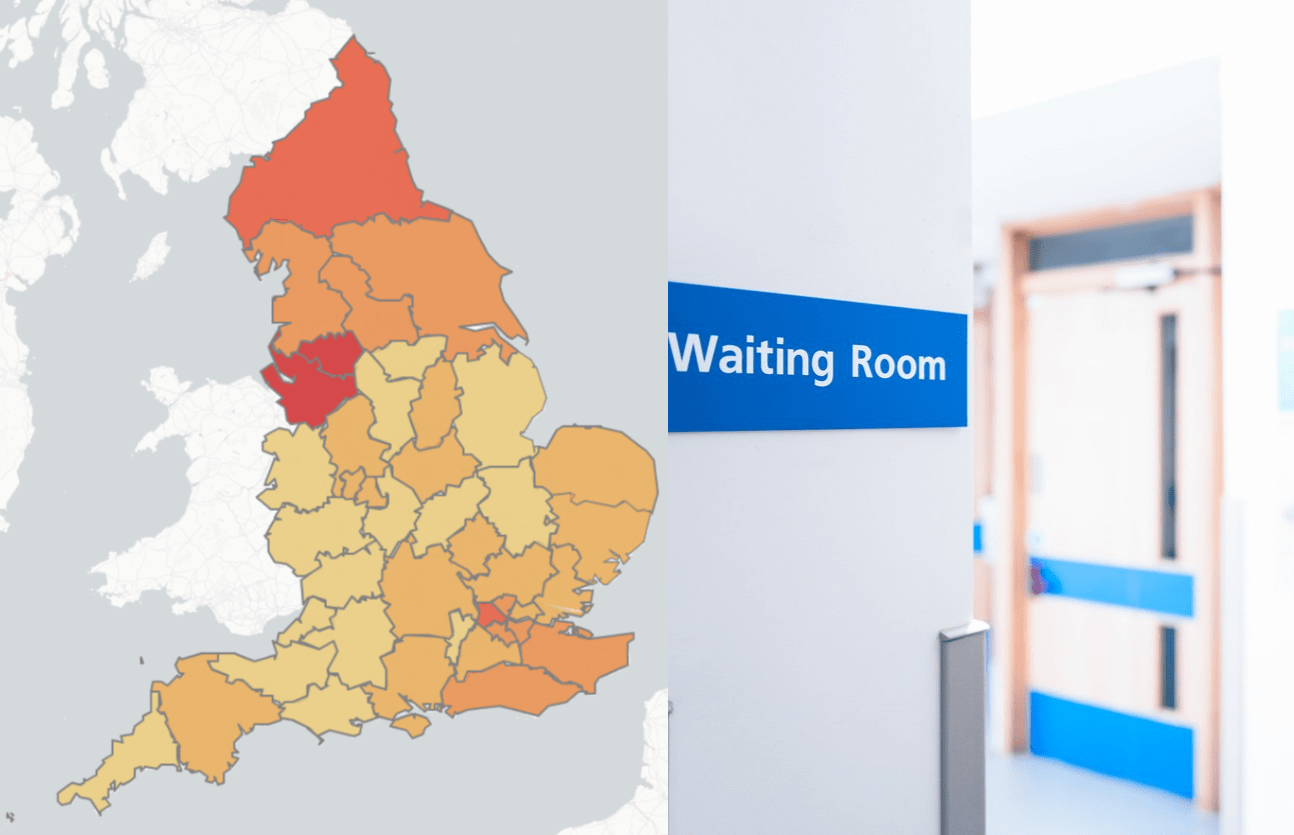
In this visualisation, we have mapped NHS Waiting Times figures at the ICB level. Double click on the map or use the search bar to view statistics in your area. Alternatively, click here to launch the full visualisation.
NHS England has published the latest Referral to Treatment (RTT) figures for November 2025, revealing a 2% decline in the total number of patients awaiting treatment – a reduction of roughly 145,000 people. The number of open pathways, where a patient is waiting to begin treatment, fell to 7,159,010 in November from 7,304,189 the previous month.
Despite the overall reduction, the proportion of pathways completed within the 18-week target window continues to slip, standing at 61.6% in November. This represents a significant challenge with only four months remaining until the March deadline to meet the 65% performance threshold.
On average, patients waited 12.9 weeks from their initial referral to the start of treatment in November. Oral Surgery remains the poorest performing specialty, with only 51.7% of patients treated within the 18-week window.
The data team at Polimapper has visualised the latest figures at the Integrated Care Board (ICB) level to highlight emerging geographical health trends across England.
In November, only nine ICBs had already surpassed the government’s 65% target. NHS Cornwall and the Isles of Scilly ICB remains the top performer, closing 71.5% of pathways within 18 weeks, which contrasts sharply with the 51.6% recorded by the Mid and South Essex ICB. Explore figures in your area here.
Geodata context
As part of the Labour Government’s commitment to restoring the 92% 18-week standard by 2029, the 2025/26 strategy sets an interim target of 65% for March 2026. However, sector organisations remain sceptical that this milestone will be achieved.
Rory Deighton, acute and community care director at the NHS Confederation: “NHS leaders and their teams have been working incredibly hard to tackle the care backlog and reduce waits, so it is very welcome to see the progress made so far.”
“But health leaders will not rest on their laurels as they know the system remains a long way from where it needs to be, and the ambition to get least 65% of patients across the country treated within 18 weeks by the end of March remains highly challenging.“
“There will be real opportunities to make significant inroads into these lists through changes to the care model, including outpatient reform, neighbourhood working and advice and guidance.”