In March 2025, 78.9% of NHS patients received their cancer diagnosis on time, a drop of over 1 percent from February, reversing the upward trend seen in the previous month.
On Thursday, NHS England published its most recent data on cancer waiting times for March 2025, revealing that, out of 275.4k patients who were told their cancer diagnosis outcome, nearly 60k (21%) received a diagnosis after 28 days.
Additionally, 55k people began their cancer treatment, with 91% of patients starting treatment within 31 days of a treatment plan being agreed on.
Urological and Skin cancers were amongst the ones worst performing in terms of meeting targets, with rates as low as 62% of patients starting treatment on time.
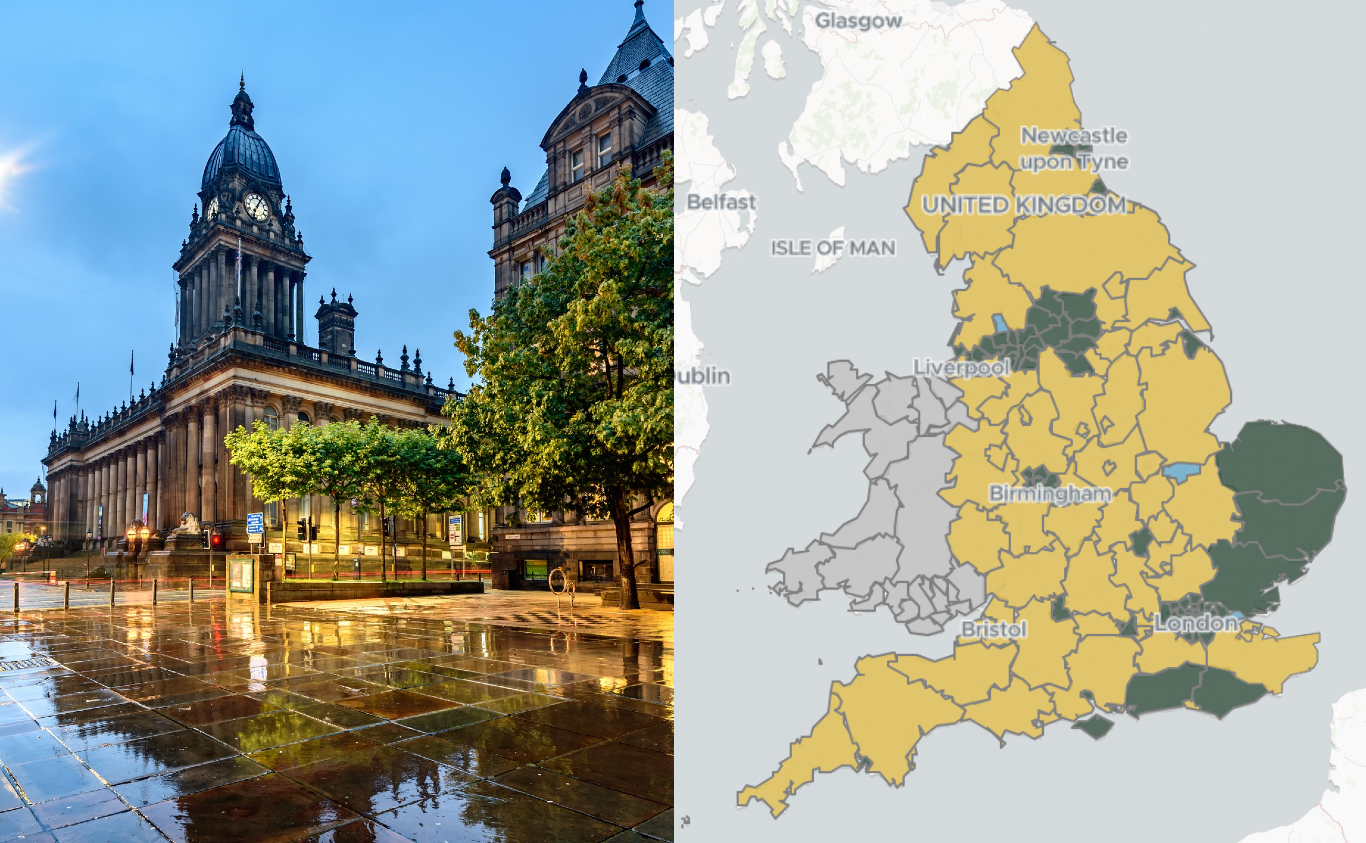
In England, Integrated Care Boards are set three targets when it comes to cancer waiting times: the Faster Diagnosis Standard, 75% of people are to be diagnosed within 28 days of an urgent referral; the 31 days Decision to Treat Standard, 96% of people are to start treatment 31 days after doctors deciding a treatment plan; and the 62 day Referral to Treatment Standard, 85% of people should receive their diagnosis and have started their first treatment within 62 days.
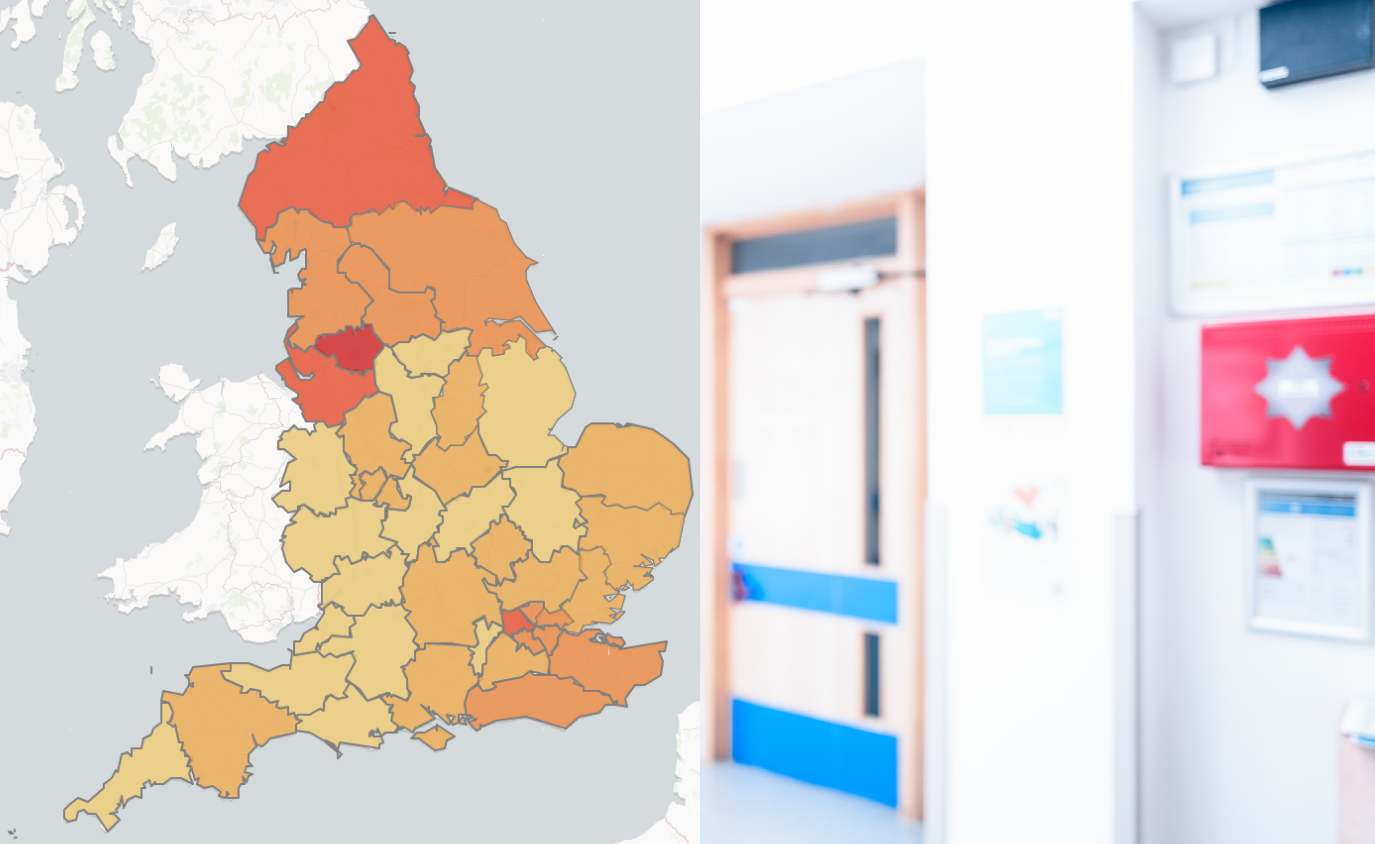
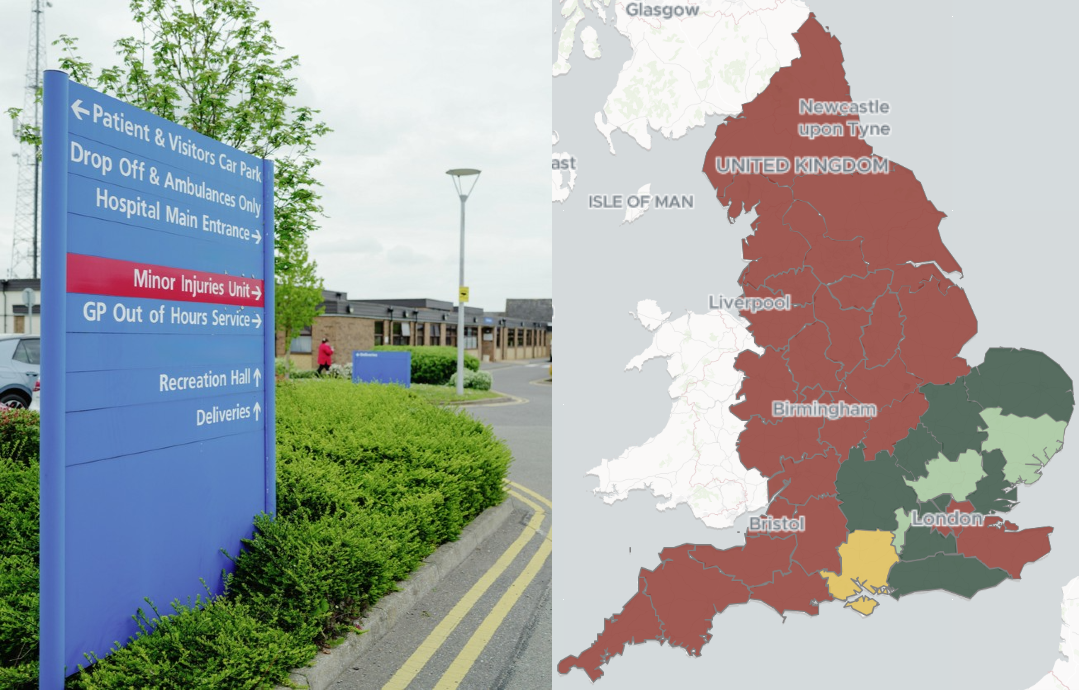
The data team at Polimapper has visualised the latest statistics from NHS England, revealing cross country trends in Cancer Waiting Times targets.
Whilst the Faster Diagnosis Standard was met on a national level, five Integrated Care Boards failed to achieve this, with the NHS Shropshire, Telford and Wrekin seeing the lowest cancer diagnosis rate within 28 days, at 63%.
The 31 days Decision to Treat Standard and the 62 day Referral to Treatment Standard were not reached nationally, with only two ICBs meeting the first and no ICBs meeting the second.
Mid and South Essex saw the lowest rate of patients being treated within 31 days of a treatment plan being agreed on, at 77%. Conversely, this was highest in the London ICBs of South West and North East, at 97%. Explore statistics in your local Care Board below.
About this map
In the map below, you can see Cancer waiting times statistics by Integrated Care Board and Standard.
To view statistics in your area double click on the map or click here to launch the full page version.
Geodata context
Healthcare charities and associations have shown concern over reversal in trends.
Pat Price, founder of the Catch up with Cancer campaign and chair of Radiotherapy UK: “Today’s NHS cancer data doesn’t just show missed targets, it shows a catalogue of missed chances to save lives”
“This is a heartbreaking disaster because every four weeks of delay in starting treatment increases the risk of death by 10 per cent.”
Professor Frank Smith, vice president at Royal College of Surgeons: “NHS staff are working tirelessly to get patients seen more quickly. We can’t get away from the fact that the pace of progress remains sluggish.”
“Our members frequently tell us they could be doing more surgeries if they had enough operating theatres, or if existing facilities weren’t out of commission due to disrepair.”
“Without better access to operating theatres for surgical teams, the NHS will fail to make the productivity gains needed to meet targets and patients will continue to endure unacceptably long waits.”
“If this government is serious about delivering on its waiting time pledges, it must be realistic and find further capital funding to repair crumbling NHS estates and expand capacity.”