Half a million more people with a health condition or disability were on Universal Credit last December compared to the previous year, the Department for Work and Pensions revealed.
This comes as Labour is set to announce a big shake up of the welfare system in the UK. In an effort to cut billions of pounds from welfare, the new government is to unveil drastic disability benefit cuts as part of a package of changes to benefits in the country.
The changes come alongside strong opposition, sparking internal backlash and protests, as the most vulnerable in society could be most affected. Labour veteran Diane Abbott has claimed that cutting benefits for disabled people is “not a Labour thing to do”.
Labour argues that this will not only improve the economic situation of the country, but also fix the broken social security system inherited from previous governments.
However, the issue on benefits requires further assessment. Between 2002 and 2024, the number of 16-64 years olds claiming disability benefits for mental or behavioural health conditions increased from 360k to 1.28m. The impact of Covid-19 on people’s health has greatly contributed to these numbers, as the Independent reported that benefit cuts will particularly affect those with long Covid.
Additionally, the rise of the state pension age has led more people to claim benefits. 89k older workers have claimed health-related benefits as an alternative to pensions.
The solution for this, critics argue, could very well come from prevention. Healthcare issues need to be addressed, alongside benefit options which allow claimants to work on a part-time basis.
Polimapper’s data analysis
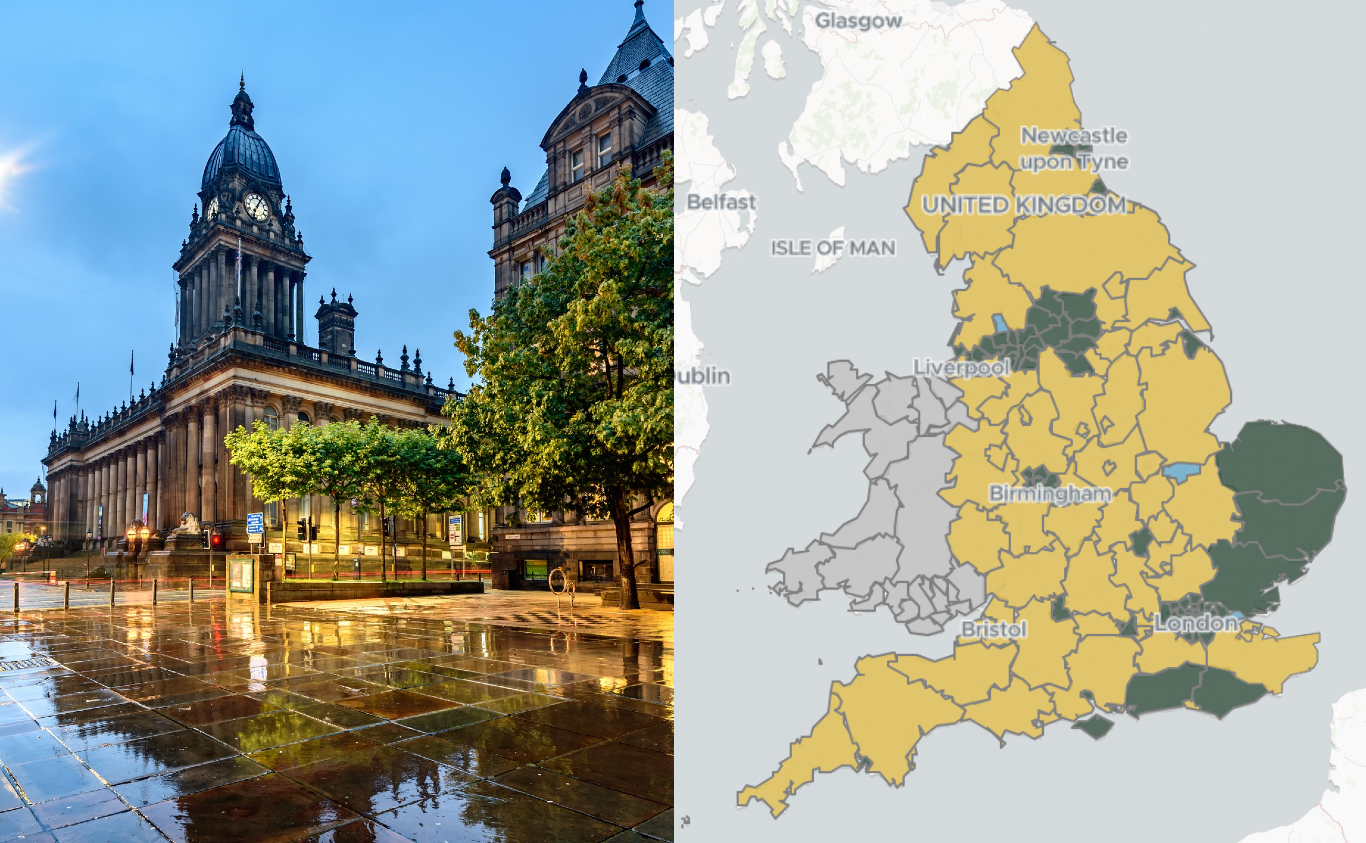
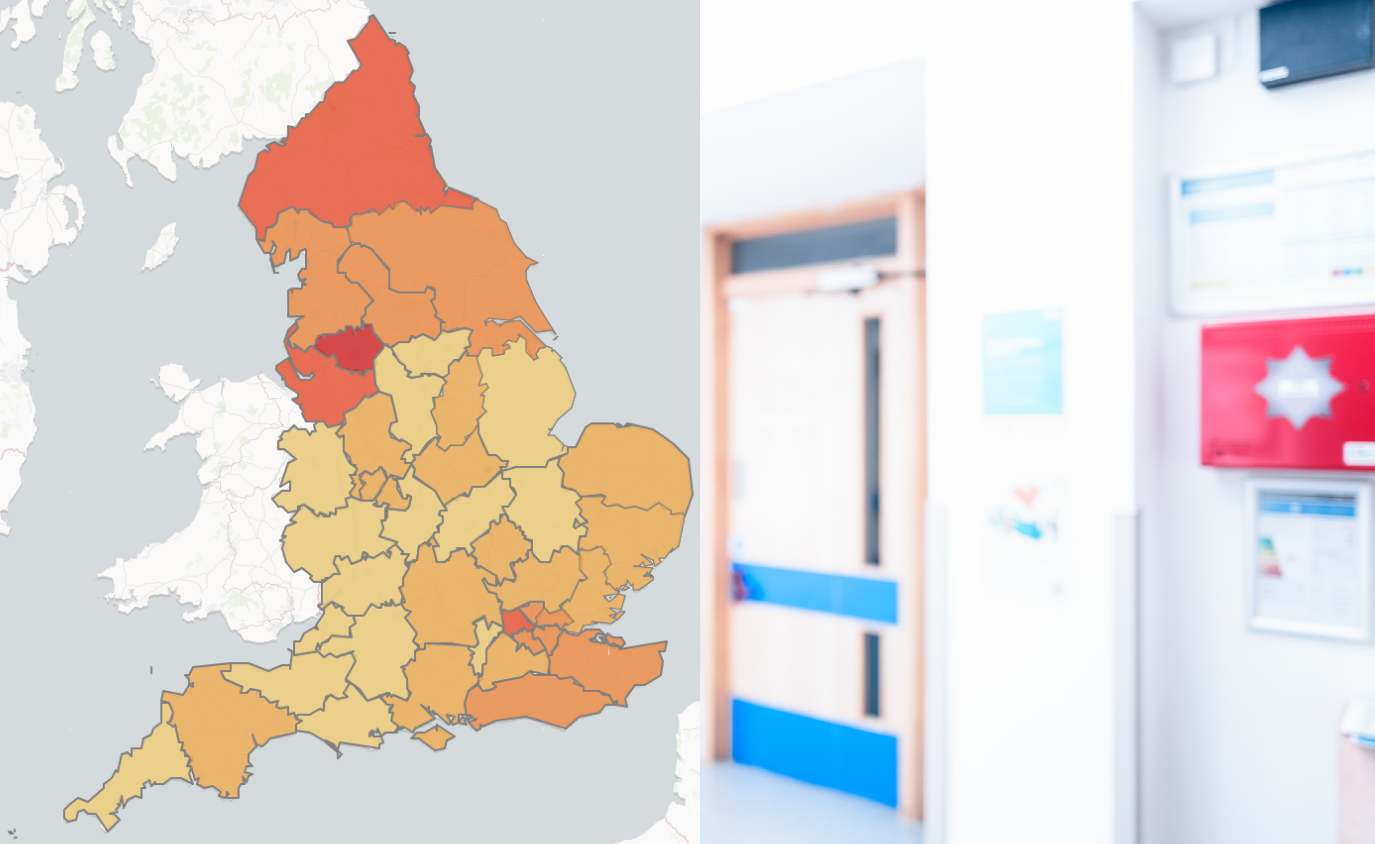
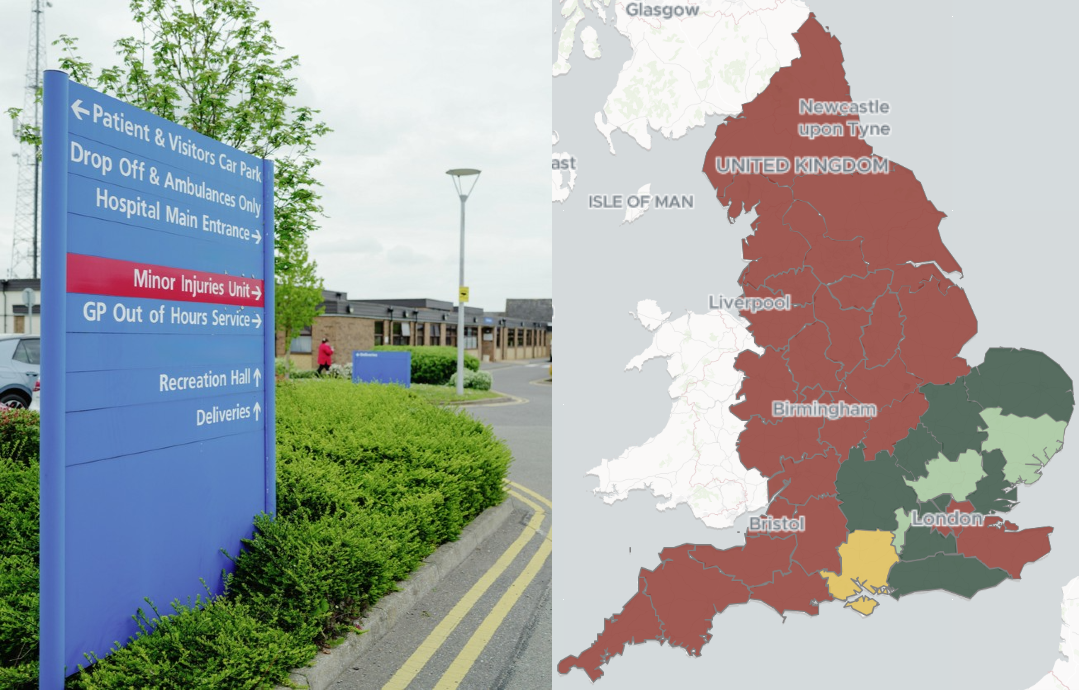
Polimapper has visualised benefits data on a geographical level, revealing stark disparities across the country.
In England, the number of households on Universal Credit increased significantly from the previous year. Birmingham registered the highest number of households on UC (167.6k) in November 2024, followed by Glasgow City. Pendle (29.4%) and Sheffield (26.4%) saw the highest year on year increase.
Between 2019 and January 2025, 3.6m people in England received a Personal Independence Payment (PIP). This payment is for those who have both a long-term physical or mental health condition or disability, and difficulty doing certain everyday tasks. Liverpool (54k) and County Durham (51k) were amongst the local authorities which saw the highest number of PIP claimants.
3.1m Universal Credit Work Capability Assessment (WCA) decisions have been made between 2019 and 2024. In this period, Birmingham, Glasgow and Manchester saw the highest numbers of decisions. Out of these, 14% were found to have no limited capability, 19% limited capability for work, and 67% limited capability for work and work-related activity.
68% of assessments made in 2022-2024 were recorded as mental and behavioural disorders and 47% recorded as diseases of the musculoskeletal system and connective tissue.
In August 2024, 25k people received the Incapacity benefit and severe disablement allowance. In the same month, 93k other people received job seekers allowance. Both of these numbers were highest in Birmingham and Glasgow.
About this map
The map below shows statistics of individuals claiming benefits in Britain by local authority. To explore detailed figures for your area, double-click on the map or click here to view the full-page version.
Commentary on benefit cuts
Rachel Reeves, chancellor of the exchequer and MP for Leeds West and Pudsey: “When we’re spending £100bn a year on servicing government debt, I don’t think anyone could seriously argue that we don’t need to get a grip on government borrowing and government debt,”
Peter Matejic, chief analyst at Joseph Rowntree Foundation: “there is no way to achieve the suggested £5bn cut without taking money from people who both need help with everyday tasks, such as preparing food or using the toilet, and help getting around.”
“A government that came to office pledging to end the moral scar of food bank use clearly should not be taking steps that could leave disabled people at greater risk of needing to use one.”
Mark Rowland, chief executive officer at Mental Health Foundation: “It’s vital the government finds better ways to support people with mental health problems back into work, but these trailed announcements could make things worse. Most people who have mental health problems tell us that their work is important to protecting and maintaining their mental health. But simply forcing the hand of people who are unable to work due to mental health problems by reducing their already very low incomes will likely be detrimental to their mental health and will make people’s return to the workforce less likely.”
Sarah Hughes, chief executive officer of Mind: “Mental health problems are not a choice – but it is a political choice to make it harder for people to access the support they need to live with dignity and independence. These reforms will only serve to deepen the nation’s mental health crisis.”
James Taylor, executive director of strategy at Scope: “The biggest cuts to disability benefits on record should shame the government to its core. They are choosing to penalise some of the poorest people in our society. Almost half of families in poverty include someone who is disabled.”